PROJECT FIELD GUIDE / PAINTED CABINETS
Painted cabinets: choose each part with purpose.
A painted cabinet can combine several materials. Start by separating the case, face frame, doors, shelves, and trim, then specify what each part needs to do.
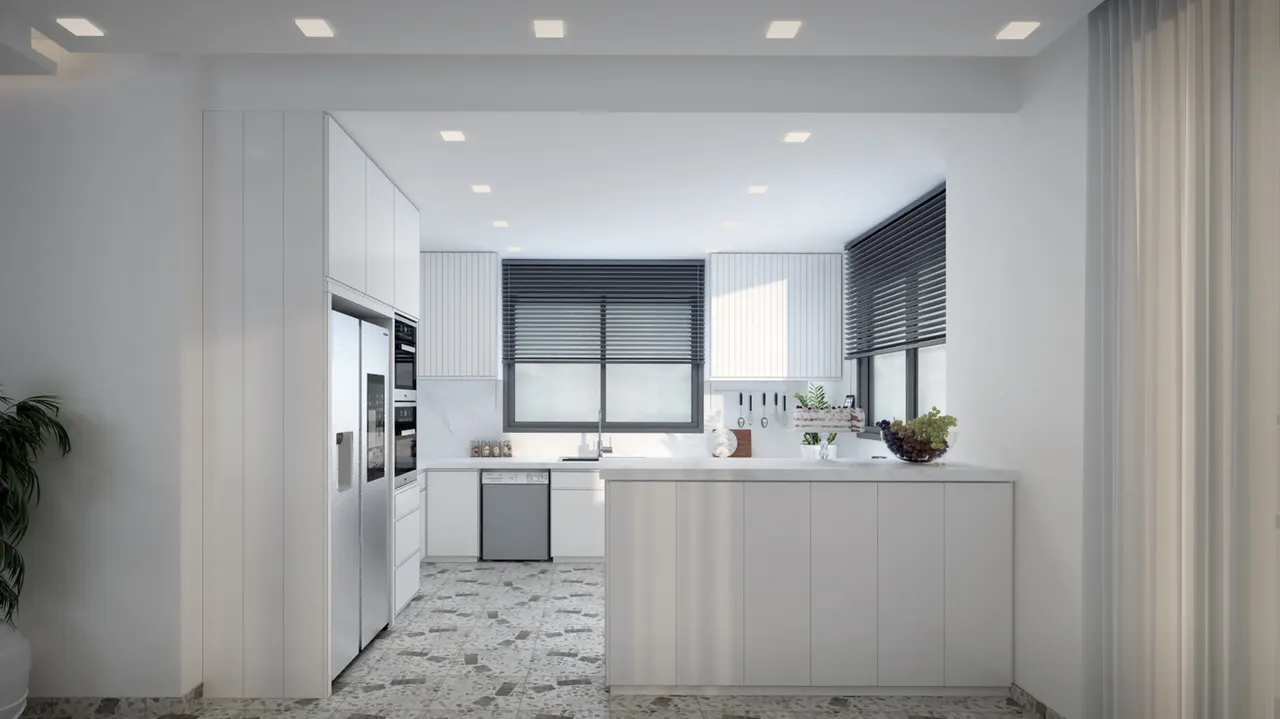
MDF, plywood, or poplar?
| Component | Consider | Resolve before buying |
|---|---|---|
| Case panels | Hardwood plywood | Core, face quality, actual thickness, edges, and joinery |
| Painted panel or door components | MDF | Exact product, hinge and screw requirements, dimensions, and exposure |
| Face frames and trim | Yellow-poplar | Profile, surface preparation, and finish sample |
| Loaded shelves | Specified panel or solid-wood construction | Span, load, supports, and documented product properties |
Specify the core, not just the face
Columbia’s core guide describes distinct veneer and composite-core constructions. Evaluate the exact product for the job: an attractive veneer or a paint-ready face does not establish stiffness, fastener performance, or a permissible span.
Factory-primed panels are another option to price. Columbia offers paint-ready panels with multiple core types. Check availability, coating compatibility, and which surfaces and edges still need preparation before comparing labor and material costs.
A painted door needs its own decision
Determine the door construction and size before choosing its material. For a framed solid-wood door, moisture-related movement belongs in the construction detail. For a machined panel door, use the panel and hinge documentation for the actual product and dimensions. Neither approach is automatically the answer for every cabinet.
Test the whole finish schedule
Make one sample that includes a face, an edge, and any routed profile. Use the primer and topcoat you intend to apply. Compare the sample in the intended room after following the coating manufacturer’s drying and cure instructions.
Your cabinet specification checklist
- List each component and its actual thickness.
- Record the exact panel product, core, and supplied face finish.
- Match the door design to its panel and hardware documentation.
- Identify potential water exposure and specify an appropriate product.
- Check shelf loads, supports, and installation details separately.
- Approve a representative painted sample before finishing the full cabinet.
For deeper shelves, read the bookshelf material and span guide. For a cabinet-supported work surface, see desktop material choices.
References and scope
Purdue: wood movement in furniture · Columbia: plywood core guide · Columbia: paint-ready panels · Our editorial approach
Updated October 22, 2026. Material-selection guidance by GrainBench; not an engineered construction plan. Follow the documentation for the actual panel, hardware, and finish.